
Pills and Abortion in USA: What Women Need to Know in 2026
-
 Amanda
 - Posted on
- 0 comments

Reproductive healthcare in the United States looks very different today than it did just a few years ago. For millions of women, understanding the basics of pills and abortion has become a real, urgent need, not just a distant topic. Whether you’re researching for yourself or trying to support someone close to you, having accurate information matters more than ever in 2026.
This guide covers how medication abortion works, what to expect physically, the legal situation by state, and how to stay safe throughout the process.
What Is Medical Abortion?
Medical abortion means using medication to end a pregnancy, no surgical procedure involved. It’s one of the most widely used methods for early pregnancy termination in the country, and it’s been studied and practiced globally for decades.
The key difference between surgical and medical abortion is simple. Surgical abortion is performed by a provider in a clinical setting. Medical abortion uses pills that you take at home, causing the uterus to contract and end the pregnancy naturally, very similar to what happens during an early miscarriage.
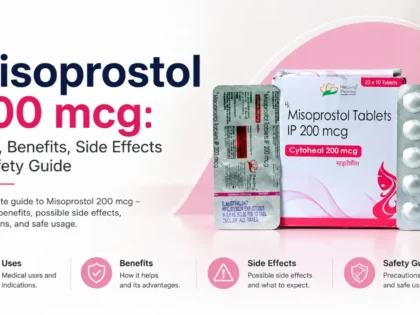
Misoprostol pills play a central role in this process. They’re used either on their own or alongside a second medication called mifepristone, depending on what’s available and medically appropriate.
How the Medications Work
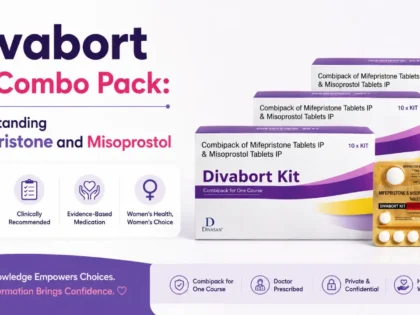
The most effective approach uses two medications taken in sequence.
Mifepristone comes first. It works by blocking progesterone, a hormone the pregnancy depends on to develop. It’s taken orally and is usually prescribed through a clinic or telehealth provider.
Misoprostol follows 24 to 48 hours later. This is what causes the uterus to contract and expel the pregnancy. It can be taken under the tongue, placed between the cheek and gum, or used vaginally, based on medical guidance.
Together, these two medications are about 95 to 98 percent effective when used within the first 10 weeks of pregnancy. That figure comes from years of clinical research and is widely accepted by major medical organizations including the American College of Obstetricians and Gynecologists.
When mifepristone isn’t available, misoprostol pills can be used alone. On their own, they’re effective roughly 80 to 85 percent of the time in early pregnancy.
Abortion With Pill Side Effects: What’s Normal
Knowing what to expect makes the process a lot less frightening. Abortion with pill side effects is something every woman going through this should understand clearly before she starts.
What’s expected and normal:
- Heavy bleeding with clots, this is the main sign the medication is doing its job
- Intense cramping, especially in the first several hours after misoprostol
- Nausea or vomiting, fairly common, especially with the sublingual method
- Loose stools or diarrhea for a short period
- Chills, low-grade fever, or feeling cold in the first few hours
- Tiredness, your body is going through a lot
Most of these symptoms ease significantly within 24 hours. Ibuprofen taken before misoprostol helps manage cramping, and anti-nausea medication can be requested from your provider.
When to call a doctor or go to the ER:
- Soaking more than two thick pads per hour for two hours in a row
- Fever above 101°F that doesn’t go away after 24 hours
- Severe pain that ibuprofen doesn’t touch
- No bleeding at all within 24 hours of taking misoprostol
- Signs of infection like foul-smelling discharge, prolonged high fever, or unusual weakness
If any of these happen, seek care right away. You can tell emergency medical staff you think you’re having a miscarriage, this is medically accurate and protects your privacy in most situations.
The Legal Situation in 2026
This part is genuinely complicated, and it’s worth being honest about that.
Medication abortion is legal in roughly half of U.S. states as of 2026. The other half have restrictions ranging from gestational limits to near-total bans. Laws change frequently, and what was true six months ago may not be accurate today.
States with broader access include California, New York, Illinois, Washington, Colorado, and several others. States with significant restrictions or bans include Texas, Alabama, Idaho, and others.
Some states have also passed so-called shield laws, which offer legal protection to telehealth providers who prescribe pills to patients in restrictive states. This is still a legally evolving area, so it’s worth getting current information from a reliable source.
The Guttmacher Institute and Planned Parenthood both publish updated, state-by-state breakdowns worth checking before you make any decisions.
Accessing Abortion Pills Online Safely
Many women look into abortion pills online, and for good reason, privacy, convenience, and access matter, especially in states where local options are limited.
That said, the quality and safety of what you access online varies enormously. Here’s how to protect yourself:
- Use verified sources. Plan C (plancpills.org) independently rates abortion pill services by safety and reliability. It’s one of the most trustworthy starting points available.
- Go through a real medical consultation. Legitimate telehealth providers will ask about your medical history, your last menstrual period, and any factors that could make medication abortion unsafe for you. If a service skips all of that, that’s a red flag.
- Avoid unknown or unverified pharmacies. Counterfeit medications exist. They can be ineffective or actively harmful.
- Aid Access is another reputable organization that provides consultations and connects women to medication, including in states with restrictions.
A medical consultation, even a telehealth one, is genuinely important, not just a formality.
Recovery and What Comes After
Physically, most women feel significantly better within two to three days. Light spotting or bleeding can continue for two to four weeks, which is normal. Avoid inserting anything into the vagina, including tampons, for about two weeks to reduce infection risk.
A follow-up appointment is recommended two to four weeks after the medication. This is typically a blood test checking hCG levels or a brief ultrasound to confirm the abortion is complete. Many telehealth providers handle this remotely.
Emotionally, there’s no single right way to feel. Some women feel relieved. Others feel sad, or both at once. All of it is valid. If you’re struggling, organizations like All-Options offer free, confidential support without judgment, no matter how you feel about your decision.
Key Safety Tips Before You Start
Before taking any abortion medication, keep these points in mind:
- Confirm how far along you are. The medications and their effectiveness change based on gestational age. An ultrasound or reliable period dating is important.
- Rule out ectopic pregnancy. Abortion pills do not treat a pregnancy outside the uterus. Ectopic pregnancy is a medical emergency and requires different treatment.
- Know the contraindications. Certain medical conditions, including clotting disorders, adrenal insufficiency, or IUD placement, can make medication abortion unsafe. A proper screening catches these.
- Have a plan for follow-up care. Know where your nearest ER is, and know that you can describe your symptoms as a miscarriage without specifying what medication you took.
Frequently Asked Questions
1. How effective are misoprostol pills used alone?
About 80 to 85 percent effective in early pregnancy. Combining them with mifepristone raises that to 95 to 98 percent.
2. Can abortion pills be accessed online legally?
In many states, yes, through licensed telehealth providers. In others, access is restricted. Always check your state’s current laws and use verified services like Plan C.
3. What are the most common abortion with pill side effects?
Heavy bleeding, cramping, nausea, chills, and low-grade fever. Most resolve within 24 to 48 hours, though bleeding continues for a few weeks.
4. How do I know it worked?
Heavy bleeding and passing of tissue are the main signs. A follow-up hCG blood test or ultrasound 2 to 4 weeks later confirms completion.
5. Is the abortion pill the same as emergency contraception?
No. Emergency contraception prevents pregnancy. Abortion pills end an existing one. They’re different medications used at different times.
6. Are these medications safe?
Yes. Both mifepristone and misoprostol are on the World Health Organization’s Essential Medicines list. Serious complications occur in less than one percent of cases.
7. How long does the physical process take?
The main cramping and bleeding typically happens within 4 to 8 hours of misoprostol. Lighter bleeding can last 1 to 4 weeks.
8. What if abortion pills are banned in my state?
Organizations like Aid Access and Plan C can help you find options, including telehealth providers operating under shield law protections and assistance for traveling to another state.
Conclusion
Being informed is one of the most important things a person can be when it comes to reproductive healthcare. Understanding how pills and abortion work, medically and practically, helps women make decisions that are right for their own lives. Use trusted sources, talk to a real provider, and know that support exists no matter where you live or what you’re going through.
Medical Disclaimer:
This article is for informational purposes only and is not a substitute for professional medical advice, diagnosis, or treatment. Always consult a qualified healthcare provider before making any medical decisions.