

Pregnancy Symptoms 5 Weeks: Early Signs You Should Know

If you’ve been feeling a little off lately and wondering whether it’s just stress or something more, you’re not alone. Pregnancy symptoms 5 weeks in are usually when things start to feel undeniable. You might notice a missed period, some unusual tiredness, or a wave of nausea that hits out of nowhere. This is often the point where a home test confirms what your body has already been hinting at.
At five weeks, your baby is still tiny, smaller than a grain of rice in some cases, but your body is already deep into the work of building a pregnancy. Let’s go through what’s actually happening and what you can expect.
Understanding Week 5 of Pregnancy
For a lot of people, week 5 is when pregnancy stops feeling theoretical.
What’s happening inside the body
The embryo has implanted in the uterine lining, and that lining keeps thickening to support it. Blood flow to your pelvis picks up too, which explains a lot of what you’re feeling.
Hormonal changes
hCG is climbing fast right now, sometimes doubling every couple of days. Progesterone and estrogen are rising as well, and together they’re basically running the show behind most early symptoms.
Baby’s early development
Right now the embryo is roughly the size of a sesame seed. The neural tube is forming, which will eventually become the brain and spinal cord, and the very first structures of the heart are taking shape.
Why symptoms start around now
Hormones spike quickly in week 5, so this is often the first stretch where symptoms actually become noticeable, even with the embryo still so small.
Pregnancy Symptoms 5 Weeks
Missed period
This is usually the first real clue. It’s what sends most people reaching for a test in the first place.
Morning sickness
Nausea can show up as early as week 5, and it doesn’t care what time of day it is despite the name. Blame hCG for most of it.
Breast tenderness
Hormones increase blood flow to breast tissue, so soreness or swelling is common and can catch people off guard with how early it starts.
Fatigue
Progesterone has a mild sedative effect, so if you feel like you could nap at 10am, that’s why.
Frequent urination
More blood volume means your kidneys are working harder, and that means more bathroom trips.
Mood swings
Hormones shift fast, and your emotions can shift right along with them. Crying at a commercial isn’t unusual.
Food cravings and aversions
Foods you used to love might suddenly turn your stomach, and cravings for things you’d never normally want can show up out of nowhere.
Mild cramping
Some light cramping, similar to period cramps, is common as your uterus starts to stretch.
Light spotting (implantation or normal causes)
A bit of spotting can happen around implantation. It’s usually nothing to worry about, but mention it to your provider just to be safe.
Bloating
Progesterone slows digestion down, so that full, puffy feeling is pretty normal even this early.
Increased sense of smell
Suddenly noticing smells you never used to is common, and it can make nausea worse.
Headaches
Between hormone changes and blood volume increases, mild headaches are fairly typical.
Vaginal discharge
More clear or milky discharge is normal as estrogen rises. This is called leukorrhea.
Emotional changes
Beyond mood swings, plenty of people feel a mix of excitement, worry, and everything in between as it all sinks in.
What to Expect Week 5 of Pregnancy
Physical changes: You won’t look pregnant yet, but your body is already working hard behind the scenes.
Emotional changes: Feeling excited one minute and anxious the next is completely normal.
Lifestyle adjustments: This is a good time to cut back on caffeine and steer clear of alcohol and smoking.
Nutritional needs: Folate, iron, and calcium matter a lot right now for early development.
Hydration: Drinking enough water can help with fatigue, headaches, and bloating.
Prenatal vitamins: If you haven’t started one yet, a prenatal with folic acid is worth picking up soon.
Rest and sleep: Don’t fight the tiredness. Your body is asking for rest, so give it some.
Pregnancy Symptoms First Week vs Pregnancy Symptoms at 5 Weeks
| Category | First Week | Week 5 |
|---|---|---|
| Symptoms | Usually none yet | Nausea, fatigue, sore breasts, missed period |
| Hormonal changes | Little to no hCG | hCG and progesterone rising quickly |
| Physical changes | Nothing noticeable | Bloating, cramping, more frequent urination |
| Pregnancy confirmation | Too early to test | Home tests are typically reliable now |
| Baby development | Conception hasn’t happened yet in most dating models | Embryo implanted, neural tube developing |
Pregnancy Symptoms at 5 Weeks vs Pregnancy Symptoms 12 Weeks
| Category | Week 5 | Week 12 |
|---|---|---|
| Common symptoms | Fatigue, nausea, sore breasts | Often starting to ease up |
| Energy levels | Usually low | Slowly improving for many |
| Baby growth | About the size of a sesame seed | About the size of a lime |
| Morning sickness | Frequently just starting | Often peaking or fading |
| Medical checkups | First prenatal visit gets scheduled | First trimester screening usually done |
| Weight changes | Little to none | Slight gain may start |
When Should You Contact a Doctor?
Most early symptoms are normal, but some things need a call to your provider right away:
- Heavy bleeding, especially with clots
- Severe abdominal pain
- A high fever
- Fainting or intense dizziness
- Vomiting that won’t let you keep fluids down
- Signs of serious dehydration
If any of these show up, don’t wait it out. Reach out to your provider or get medical care.
Tips for Managing Pregnancy Symptoms
- Healthy eating: Smaller, more frequent meals tend to sit better than three big ones.
- Staying hydrated: Keep water nearby and sip throughout the day.
- Light exercise: A short walk can do more for your mood and energy than you’d expect.
- Adequate sleep: Rearrange your schedule if you need to. Sleep is doing real work right now.
- Stress management: Breathing exercises, journaling, or just talking to someone you trust can take the edge off.
- Avoid smoking and alcohol: Both can interfere with your baby’s development.
- Prenatal care: Get that first appointment on the calendar sooner rather than later.
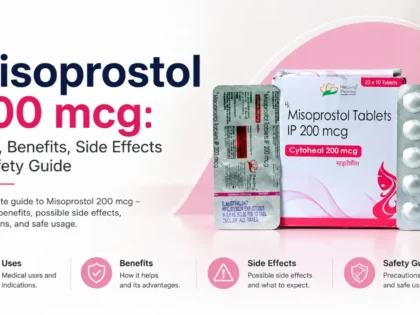
Misoprostol: What It Is and How It’s Used
Misoprostol comes up a lot in conversations about reproductive health, so it’s worth understanding what it actually is.
What Misoprostol is
It’s a synthetic prostaglandin, a medication that affects the stomach lining and can also cause uterine contractions, depending on the reason it’s prescribed.
Medical uses of Misoprostol
Doctors use it for a few different purposes, including preventing stomach ulcers in people on certain long-term medications, and in specific reproductive health protocols.
When it’s prescribed by healthcare providers
It’s only meant to be used under a licensed provider’s supervision, since dosing depends on individual health history, gestational timing, and other factors a provider needs to assess directly.
Why medical supervision matters
Misoprostol has real effects on the body, so having a provider involved means correct dosing and someone to catch complications early if they come up.
Why it should only come from licensed, regulated sources
Getting medication outside licensed channels comes with real risks: wrong dosages, counterfeit pills, and no medical backup if something goes wrong. Anyone considering this medication should talk to a qualified provider first and only get it through verified, licensed sources.
Good healthcare decisions start with a real conversation with a professional who knows your specific situation.
Frequently Asked Questions
What are the most common pregnancy symptoms at 5 weeks?
A missed period, nausea, sore breasts, fatigue, more frequent urination, and bloating tend to be the big ones, all tied back to rising hormone levels.
Can pregnancy symptoms start before 5 weeks?
They can. Some people notice fatigue or tender breasts as early as week 3 or 4, though most symptoms become clearer by week 5.
Is cramping normal during week 5 of pregnancy?
Light cramping is common as your uterus stretches. Severe or ongoing pain is a different story and should get checked out.
When does morning sickness usually begin?
Usually around week 5 or 6, but the timing and intensity really vary from person to person.
Can I have pregnancy symptoms without a positive test?
Yes, it’s possible if hCG hasn’t built up enough yet for the test to catch it. Testing again in a few days is usually the move.
What foods should I eat at 5 weeks pregnant?
Lean toward foods with folate, iron, protein, and calcium: think leafy greens, lean meats, whole grains, and dairy or a fortified alternative.
When should I call my doctor during early pregnancy?
Call if you notice heavy bleeding, severe pain, a high fever, fainting, or persistent vomiting, or honestly, any time something feels off.
How are pregnancy symptoms at 5 weeks different from pregnancy symptoms 12 weeks?
Week 5 symptoms are just getting started and can feel intense, while by week 12 things like nausea and fatigue often start to let up as the body adjusts.
Conclusion
Early pregnancy can bring fatigue, nausea, sore breasts, and mood swings as your body adjusts to support your baby’s early development. Stay hydrated, eat nutritious foods, rest when needed, and schedule your first prenatal visit. Every pregnancy is different, so don’t compare your symptoms too closely with others. If anything feels unusual or concerning, contact your healthcare provider. That’s what pregnancy symptoms 5 weeks in should teach you: your body is doing something remarkable, and it’s okay to ask for reassurance along the way.
Medical Disclaimer
This article is for educational purposes only and does not replace professional medical advice, diagnosis, or treatment. Always consult a qualified healthcare provider regarding pregnancy symptoms, medications, or any medical concerns.




1 Comment