
Which States Is Abortion Illegal in the US? A Complete 2026 Guide
-
 Amanda
 - Posted on
- 0 comments

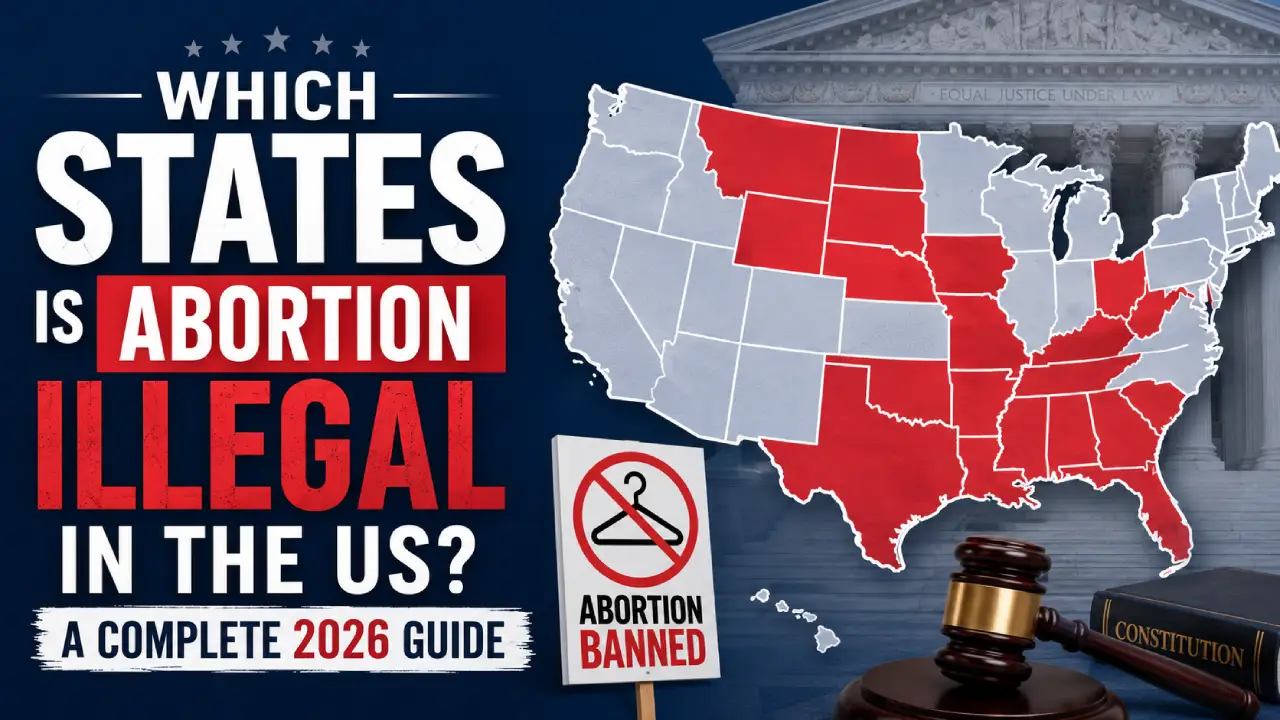
If you’ve searched “which states is abortion illegal in the us,” you’re definitely not alone. Since the legal landscape changed after the Supreme Court overturned Roe v. Wade, millions of Americans have found themselves trying to understand a patchwork of state laws that can seem confusing at first glance.
The answer isn’t as simple as a single list. Some states have near-total abortion bans, others allow abortion only under specific circumstances, and many continue to protect access through state laws or constitutional provisions. Because regulations continue to evolve, understanding the current situation requires looking at both state legislation and ongoing court decisions.
In this guide, we’ll break down where abortion is restricted, where access remains protected, and what these laws mean for people seeking reproductive healthcare in 2026.
Understanding Abortion Laws in the United States
For nearly 50 years, Roe v. Wade established federal protections for abortion rights. That changed in 2022 when the Supreme Court ruled that abortion regulation should largely be decided by individual states.
As a result, abortion access now depends heavily on where a person lives.
Some state governments quickly enacted restrictions that had been prepared in advance. Others passed laws specifically designed to protect abortion access. The result is a legal landscape that varies dramatically from one state to another.
Today, state legislatures, governors, courts, and voters all play a role in shaping abortion policy. New lawsuits and legislative proposals appear every year, which is one reason people frequently look for updated information about abortion laws.
Which States Is Abortion Illegal in the US in 2026?
When people ask whether abortion is illegal, they are usually referring to states that ban nearly all abortion procedures.
Several states currently enforce laws that prohibit most abortions, although exceptions often exist for medical emergencies. In some states, additional exceptions may apply for rape or incest, while others maintain narrower exemptions.
States commonly identified as having near-total abortion bans include:
- Alabama
- Arkansas
- Idaho
- Indiana
- Kentucky
- Louisiana
- Mississippi
- Oklahoma
- South Dakota
- Tennessee
- Texas
- West Virginia
It’s important to understand that legal challenges continue in many of these states. Court rulings can temporarily block, modify, or reinstate restrictions.
For that reason, anyone researching abortion illegal in the us should verify the most current information through official state resources before relying on any online article.
Why the Situation Can Be Confusing
A state may not describe abortion as completely illegal, yet still impose restrictions that significantly limit access.
For example:
- Strict gestational limits may apply.
- Certain procedures may be restricted.
- Waiting periods can delay access.
- Clinic availability may be limited.
This creates a situation where abortion remains technically legal but practically difficult to obtain.
States Where Abortion Is Highly Restricted
Not every restrictive state has adopted a total ban.
Some states permit abortion only during the earliest weeks of pregnancy. Others require multiple appointments, counseling sessions, or parental involvement for minors.
Common restrictions include:
Gestational Limits
Many states prohibit abortion after a specific number of weeks.
Waiting Periods
Some laws require patients to wait a designated period between receiving information and obtaining care.
Parental Consent Requirements
Minors may need parental notification or consent before receiving abortion services.
Provider Regulations
Certain states impose additional requirements on healthcare providers and clinics.
Key Takeaways
- Restrictions vary significantly by state.
- Laws frequently change.
- Court decisions can affect enforcement.
- Access may differ even between neighboring states.
In the middle of all these legal changes, many people continue searching which states is abortion illegal in the us because the answer may differ from one year to the next.
Where Is Abortion Legal in the US?
While some states have enacted bans, many others have strengthened protections for abortion access.
If you’re wondering where is abortion legal in the us, numerous states continue to allow abortion and have passed laws designed to preserve reproductive healthcare access.
These states generally include:
- California
- Colorado
- Connecticut
- Hawaii
- Illinois
- Maryland
- Massachusetts
- Minnesota
- Nevada
- New Jersey
- New Mexico
- New York
- Oregon
- Vermont
- Washington
Many of these states have adopted legal protections that make abortion access less vulnerable to political changes.
For people asking where is abortions legal in the us, states along the West Coast and much of the Northeast continue to offer some of the strongest protections.
However, even in states with broad access, regulations regarding timing, providers, and procedures may still apply.
How Abortion Laws Affect Women Seeking Care
Legal restrictions have consequences that extend beyond courtrooms and legislative chambers.
For many women, the impact is personal and immediate.
Healthcare Access
In states with fewer providers, obtaining care may require extensive travel.
Travel Burdens
Some individuals must cross state lines to access services that are unavailable where they live.
This can create additional challenges, including:
- Transportation expenses
- Hotel costs
- Time away from work
- Childcare arrangements
Financial Considerations
The overall cost of care may increase when travel becomes necessary.
Privacy Concerns
Many women also worry about confidentiality, particularly in smaller communities where healthcare options are limited.
Recent Changes and Trends in US Abortion Laws
Abortion policy remains one of the most actively debated legal issues in the country.
Recent years have seen:
- New state legislation
- Constitutional amendments
- Ballot initiatives
- Court challenges
Some states continue expanding access, while others pursue stricter regulations.
Legal experts generally expect abortion policy to remain a major issue in state legislatures and courts throughout the coming years.
As a result, information can become outdated quickly.
Why Many Women Choose Online Consultation and Information Resources
Before making healthcare decisions, many people begin by researching their options online.
Reliable educational resources can help individuals understand:
- State laws
- Available healthcare options
- Medical terminology
- Questions to discuss with healthcare professionals
Privacy is another important factor. Many women prefer gathering information privately before speaking with a provider.
That said, online information should never replace professional medical advice. Healthcare decisions should always be made with guidance from qualified medical professionals who understand an individual’s specific circumstances.
Frequently Asked Questions
1. Which states is abortion illegal in the US?
Several states currently enforce near-total abortion bans or severe restrictions. Laws vary and may change due to court rulings or new legislation.
2. Where is abortion legal in the US?
Many states, including California, New York, Oregon, Washington, Colorado, and Massachusetts, maintain legal protections for abortion access.
3. Can I travel to another state for an abortion?
Many individuals travel to states where abortion services are legally available. Legal and practical considerations vary depending on location.
4. Are abortion laws the same in every state?
No. Each state has authority to establish its own abortion regulations and restrictions.
5. What happens if abortion laws change?
Changes may affect availability, provider requirements, and legal protections. Staying informed through official sources is important.
6. How can I verify current abortion laws in my state?
Consult state government websites, court rulings, healthcare organizations, and legal resources that track reproductive health laws.
Availability depends on state regulations and healthcare provider policies.
8. What should I know before considering a medical abortion?
You should speak with a qualified healthcare professional who can explain eligibility, risks, benefits, and legal requirements applicable to your location.
Conclusion
Abortion laws in the United States remain complex and continue to evolve. Some states maintain broad protections, while others enforce significant restrictions or near-total bans. Understanding the legal environment where you live is essential when evaluating reproductive healthcare options.
If you’re researching which states is abortion illegal in the us, remember that laws can change through legislation and court decisions. Always review the most current state regulations and seek information from trusted medical and legal sources before making important healthcare decisions.
Medical Disclaimer
This article is intended for educational purposes only and should not be considered medical or legal advice. Abortion laws and healthcare regulations change frequently. Consult a qualified healthcare professional and review current state laws before making any healthcare-related decisions.