
How Misoprostol Pills Work: Benefits, Dosage, and Risks
-
 Amanda
 - Posted on

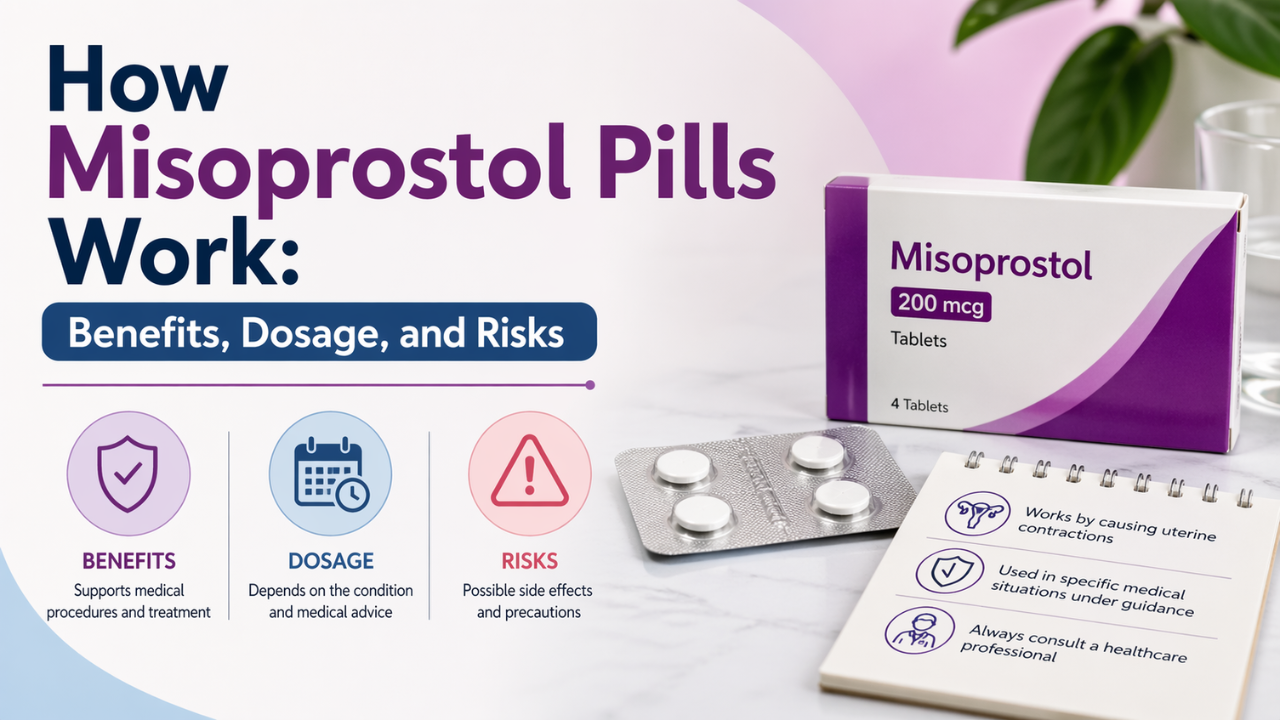
When a doctor prescribes medication for a gastric ulcer or a pregnancy-related concern, misoprostol often comes up. Misoprostol Pills have been part of standard medical care for decades, yet many patients know little about how they actually work. This article covers what misoprostol is, how it affects the body, its common uses, dosage basics, benefits, risks, and recovery. The goal is clear, honest information that helps you have a better conversation with your healthcare provider.
What Are Misoprostol Pills?
Misoprostol is a synthetic prostaglandin E1 analogue. It mimics a naturally occurring compound in the body that influences muscle contraction, inflammation, and tissue protection. It was first approved to protect the stomach lining in people taking nonsteroidal anti-inflammatory drugs (NSAIDs) like ibuprofen, which can erode the gastric lining over time.
Clinicians later discovered broader applications, particularly in obstetrics and gynecology. It is now used in supervised settings for several reproductive health indications, available in tablet form with dosing that varies by medical situation.
How Misoprostol Works in the Body
Misoprostol binds to prostaglandin receptors throughout the body. In the stomach, it reduces acid secretion and reinforces the protective mucus layer. In reproductive tissue, it softens and dilates the cervix and triggers uterine contractions.
Onset by route:
- Oral: Effects begin within 30 to 60 minutes
- Sublingual: Faster absorption, effects within 20 to 30 minutes
- Vaginal: Slower onset of 60 to 90 minutes, but effects last longer
- Buccal: Similar speed to sublingual
Duration generally ranges from 2 to 6 hours, varying by dose, route, and individual physiology.
Medical Uses of Misoprostol
Gastric Ulcer Prevention and Treatment People on long-term NSAIDs for conditions like arthritis are often prescribed misoprostol to protect the stomach lining and reduce ulcer risk.
Induction of Labor In hospital settings, it is used to ripen the cervix and stimulate contractions when labor must be started or assisted, always under close clinical monitoring.
Management of Miscarriage When a pregnancy ends but tissue is not expelled naturally, misoprostol may be prescribed to help complete the process under clinical supervision with follow-up care.
Postpartum Hemorrhage Where other options are unavailable, misoprostol can help control excessive post-delivery bleeding by encouraging uterine contraction.
Local regulations, clinical protocols, and individual medical history all determine when this medication is appropriate.
Dosage and Administration
Dosing depends on the condition being treated, patient health, prior uterine procedures, and other medications. There is no universal dose.
Administration routes:
- Oral: Swallowed with water
- Sublingual: Dissolved under the tongue
- Buccal: Placed between cheek and gum
- Vaginal: Inserted for slower, sustained absorption
Safety reminders:
- Never adjust your dose without provider guidance
- Take it exactly as directed, at the right time and in the right way
- Do not share medication or use someone else’s prescription
- Disclose all medications and health conditions to your provider beforehand
Benefits of Misoprostol
Room temperature stability makes it far more accessible than medications requiring refrigeration, particularly in resource-limited settings.
Versatility across gastric, obstetric, and gynecological uses simplifies supply and clinical training globally.
Proven effectiveness is backed by decades of research supporting its use for ulcer prevention, labor induction, and miscarriage management.
Global accessibility is reflected in its inclusion on the World Health Organization’s list of essential medicines.
Risks and Side Effects
Common:
- Cramping and abdominal pain
- Uterine bleeding or spotting
- Nausea and vomiting
- Diarrhea
- Fever and chills
- Headache and dizziness
Less common but serious:
- Heavy or prolonged bleeding
- Infection signs: persistent fever, foul-smelling discharge, or worsening pain
- Allergic reactions: rash, breathing difficulty, or swelling
Seek emergency care if:
- You soak more than one pad per hour for two or more hours
- Fever above 38°C (100.4°F) persists or worsens past 24 hours
- Pain is severe and escalating
- You feel faint, dizzy, or have a racing heartbeat
Precautions and Who Should Avoid It
Key contraindications:
- Prior cesarean section or uterine surgery (raises rupture risk during labor induction)
- Allergy to prostaglandins or misoprostol
- Certain cardiovascular conditions
- Inflammatory bowel disease
- Concurrent use of other uterotonic agents
Drug interactions matter. Magnesium-based antacids can worsen diarrhea. Combining misoprostol with oxytocin or similar drugs raises the risk of uterine hyperstimulation. Always share a full medication list with your provider.
People with kidney disease, liver conditions, or chronic illnesses may need individualized assessment due to altered drug metabolism.
Aftercare and Recovery
Stay hydrated, especially after diarrhea, vomiting, or notable bleeding. Electrolyte drinks can help restore balance.
Rest for at least 24 hours, especially after gynecological use, and avoid strenuous activity until cleared by your provider.
Manage pain as your provider advises. Ask before adding any over-the-counter medication.
Track symptoms including bleeding amount, odor, fever, and pain. This detail is useful if you need to call your provider.
Attend follow-up appointments. They confirm the medication worked, catch complications early, and support your overall recovery.
Accessing Care and Reliable Information
Speak with a licensed healthcare professional for any questions about misoprostol. A doctor, nurse practitioner, or pharmacist can review your situation and guide your care.
Reliable information sources include the World Health Organization (WHO), national public health agencies, and major medical bodies such as the American College of Obstetricians and Gynecologists (ACOG). Avoid unverified forums or social media for dosing or treatment decisions.
Frequently Asked Questions
1. What are Misoprostol Pills used for?
They treat and prevent gastric ulcers, assist with labor induction, support miscarriage management, and help control postpartum bleeding, all under medical supervision.
2. How quickly do they start working?
Sublingual and oral routes typically take effect within 20 to 60 minutes. Vaginal administration may take 60 to 90 minutes but sustains effects longer.
3. What side effects are most common?
Cramping, bleeding, nausea, diarrhea, and fever or chills are most frequently reported. They usually ease within a few hours.
4. When should I seek medical help?
Go to an emergency facility for heavy bleeding, a fever persisting past 24 hours, severe escalating pain, or any signs of infection.
5. Can I take it with other medications?
Possibly. Your provider must know every medication you take. Some combinations, especially with uterotonic drugs or magnesium antacids, carry added risks.
6. Are there different ways to take it?
Yes: oral, sublingual, buccal, or vaginal. The route depends on the indication and your provider’s clinical judgment.
7. Is follow-up care necessary?
Yes. Follow-up confirms effectiveness, identifies complications, and supports recovery. Do not skip it, even if you feel fine.
8. Where can I find reliable medical guidance?
Start with your primary care provider, OB-GYN, or pharmacist. The WHO, public health agencies, and major medical associations offer trustworthy general information.
Conclusion
Misoprostol is a well-studied medication with a clear role across gastric, obstetric, and gynecological care. It works by mimicking prostaglandins to reduce stomach acid, soften the cervix, or stimulate uterine contractions. Its room-temperature stability and broad clinical utility make it valuable in healthcare systems worldwide. Risks like bleeding, cramping, and fever are manageable with proper guidance and monitoring. Whether you are newly prescribed this medication or simply want to understand it better, working with a qualified clinician is the most important step. Any questions about Misoprostol Pills deserve a real, personalized answer from a licensed provider who knows your health history.
Medical Disclaimer:
This article is for informational purposes only and is not a substitute for professional medical advice, diagnosis, or treatment. Always consult a licensed healthcare provider before starting, adjusting, or stopping any medication.