
Pregnancy Symptoms First Week: Early Signs Explained
-
 Amanda
 - Posted on
- 0 comments

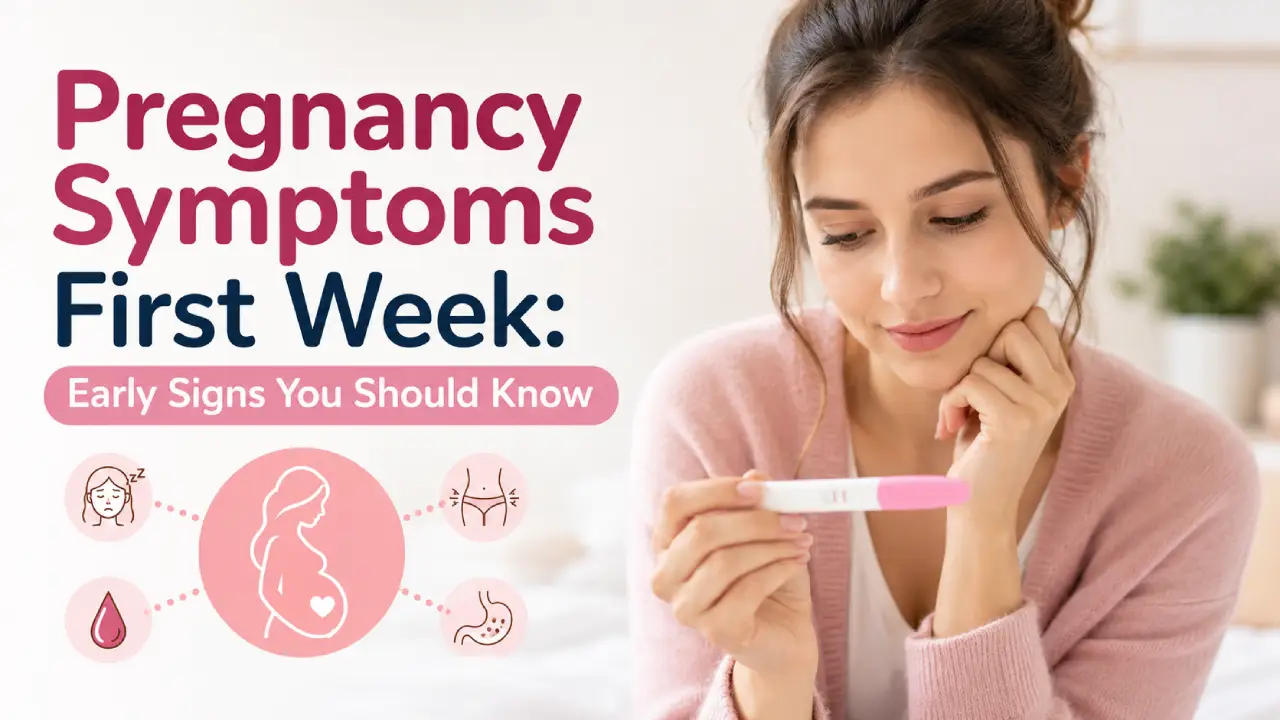
If you’re wondering whether your body is trying to tell you something, you’re not alone. Many people search for information on pregnancy symptoms first week because they notice small changes and want to understand what’s happening. Early pregnancy can feel confusing, especially when signs overlap with what you’d normally chalk up to stress or an oncoming period.
Can Pregnancy Symptoms Begin in the First Week?
Technically, the “first week” of pregnancy is counted from the first day of your last menstrual period, not from conception. This is how providers calculate your due date, even though you’re not actually pregnant yet during that first week.
Conception generally occurs around two weeks after the start of your last menstrual period, when ovulation takes place and an egg is fertilized. After fertilization, the embryo travels toward the uterus and usually implants in the uterine lining about 6–12 days later. Once implantation occurs, the body starts producing hCG, the hormone associated with many early pregnancy symptoms.
So, can you actually feel pregnant immediately after conception? Usually, no. Pregnancy symptoms don’t typically begin as soon as the egg and sperm meet. Your body needs time for implantation and hormonal changes to develop. However, some people may notice subtle changes earlier than others.
Pregnancy Symptoms First Week: Early Signs You Should Know
True pregnancy symptoms are more likely by the second or third week after conception, though some women notice changes remarkably early. Here’s what to watch for.
Mild Cramping
Light, period-like cramping can occur around implantation, usually milder than menstrual cramps.
Light Implantation Bleeding
Some notice a small amount of pink or brown spotting during implantation, often mistaken for an early period.
Fatigue
Rising progesterone can leave you feeling unusually tired, even before a missed period.
Breast Tenderness
Hormonal shifts can make breasts feel sore, swollen, or more sensitive than usual.
Bloating
Progesterone slows digestion, which can leave you feeling puffy even in the earliest days.
Mood Changes
Hormonal fluctuations can affect neurotransmitters, leading to irritability, weepiness, or mood swings.
Increased Body Temperature
A sustained rise in basal body temperature after ovulation, one that doesn’t drop before your expected period, can be an early clue for cycle trackers.
Frequent Urination
As hCG rises and pelvic blood flow increases, some notice needing to urinate more often.
Food Cravings or Aversions
Sudden distaste for familiar foods, or unusual cravings, can appear early due to shifting hormones.
Heightened Sense of Smell
Many report that ordinary smells, like coffee or perfume, suddenly feel overwhelming, linked to rising estrogen.
Nausea: When It May Begin
Morning sickness typically starts around week six, but some feel queasy earlier, within the first couple of weeks after conception.
Vaginal Discharge Changes
Increased estrogen can cause thicker, milky white discharge, known as leukorrhea, noticeable early on.
Pregnancy Symptoms at 2 Weeks
By the time you reach pregnancy symptoms at 2 weeks, right around conception and implantation, your body is just beginning its hormonal shift. This is often when light spotting, mild cramping, and fatigue become more noticeable, though a missed period hasn’t happened yet.
At this stage, hCG levels are still low, which is why home pregnancy tests aren’t reliable yet. Some women feel nothing at all during this window, and that’s normal too.
Pregnancy Symptoms 5 Weeks
By pregnancy symptoms 5 weeks, most women have missed their period and symptoms feel more distinct. Morning sickness often begins around this time, ranging from mild queasiness to more persistent nausea.
Hormonal changes intensify as hCG and progesterone climb. Fatigue tends to deepen as your body works to support early placental development. Breast changes become more noticeable too, with increased tenderness or fullness. Emotional shifts are common as well, from tearfulness to anxiety or excitement, often within the same day.
Pregnancy Symptoms How Early Can They Start?
So, pregnancy symptoms how early can they realistically begin? It depends on the individual. Ovulation typically occurs around day fourteen of a cycle, followed by fertilization within twenty-four hours if conception happens. Implantation follows six to twelve days later, which is when hCG production ramps up.
Because hCG drives most early symptoms, noticeable signs generally don’t appear until implantation has occurred, usually about a week to ten days after ovulation. Some women are simply more attuned to their bodies and notice subtle shifts earlier, while others don’t feel anything until weeks later. Both experiences are normal.
When Should You Take a Pregnancy Test?
For the most accurate results, wait until the first day of your missed period before testing. Home pregnancy tests detect hCG in urine, and levels need time to build up to a detectable threshold.
Testing too early can lead to a false negative, even if you are pregnant. If you test early and get a negative result but still suspect pregnancy, wait a few days and test again. Blood tests at a provider’s office can detect hCG earlier and more precisely than home tests.
When Should You Contact a Healthcare Provider?
While many early symptoms are normal, some warrant prompt attention. Contact a healthcare provider if you experience:
- Severe or one-sided abdominal pain
- Heavy bleeding, especially with clots
- Fever or chills
- Dizziness or fainting
- Shoulder pain combined with abdominal pain, which can signal an ectopic pregnancy
These symptoms don’t always mean something is wrong, but they should never be ignored. A quick call to your provider can offer peace of mind or catch a complication early.
Healthy Tips During Early Pregnancy
Taking care of yourself in these early weeks sets the stage for a healthier pregnancy overall.
- Eat nutrient-dense foods, including leafy greens, lean protein, and whole grains
- Stay hydrated throughout the day
- Prioritize sleep and rest when your body asks for it
- Avoid alcohol and smoking entirely
- Limit caffeine intake to recommended levels
- Begin prenatal vitamins after consulting a healthcare professional
- Manage stress through gentle movement or activities you enjoy
- Schedule your first prenatal care appointment as soon as possible
Pills and Abortion: Understanding Safe Medication Options
For those exploring their reproductive options, it’s important to understand that medication abortion should only be pursued under the guidance of a qualified healthcare provider, in locations where it is legally available. One commonly used medication in this process is misoprostol, which works alongside another medication to end an early pregnancy safely when prescribed and monitored correctly.
Because dosing, timing, and follow-up care matter for safety, this process should never be self-managed without medical supervision. Anyone considering pills and abortion should speak directly with a licensed healthcare provider or reputable clinic about eligibility, safety, and legal requirements in their state. Relying on licensed providers and legitimate pharmacies, rather than unverified sources, helps ensure both safety and legal compliance.
Frequently Asked Questions
Can pregnancy symptoms start in the first week?
Not typically, since conception hasn’t occurred yet. Symptoms usually begin closer to implantation, about one to two weeks later.
Is cramping normal during early pregnancy?
Yes, mild cramping is common around implantation, though severe or persistent pain should always be evaluated by a provider.
How early can nausea begin?
Morning sickness usually starts around week six, though some women notice mild queasiness two to three weeks after conception.
Can you feel pregnant before a missed period?
Some notice subtle signs like fatigue, tender breasts, or mood changes early, though many feel nothing until later.
Are pregnancy symptoms the same for every woman?
No. Timing, intensity, and type vary widely from person to person, and even between pregnancies in the same person.
What are pregnancy symptoms at 2 weeks?
Possible signs include light spotting, mild cramping, fatigue, and breast tenderness, though many women notice nothing yet.
What are pregnancy symptoms at 5 weeks?
Morning sickness, deeper fatigue, breast changes, and emotional shifts tend to become noticeable as hormone levels rise.
When should I see a doctor if I suspect pregnancy?
Schedule an appointment once you get a positive test, or sooner if you notice severe pain or heavy bleeding.
Conclusion
Understanding pregnancy symptoms first week by first week can help you feel more prepared during this uncertain stretch of time. While some signs may appear early, most become clearer as hCG levels rise following implantation. Paying attention to your body and reaching out to a provider when something feels off are the best ways to navigate this period with confidence.
Medical Disclaimer
This article is for educational purposes only and is not a substitute for professional medical advice, diagnosis, or treatment. Always consult a qualified healthcare provider regarding any pregnancy or reproductive health concerns.