
Abortion States Legal: State-by-State Guide to Abortion Laws in the U.S.
-
 Amanda
 - Posted on
- 0 comments

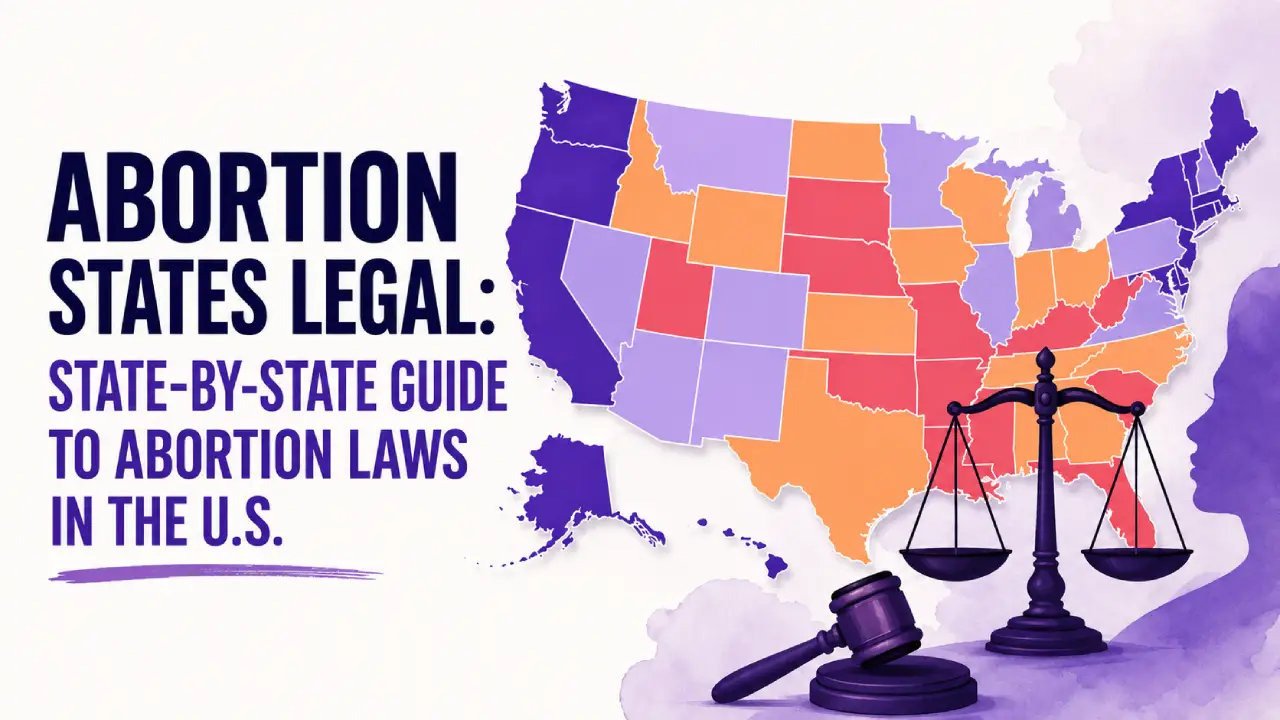
If you’ve ever tried to look up abortion rules online, you’ve probably noticed something fast: the answer depends entirely on where you live. Questions about abortion states legal status don’t have one simple answer anymore, and that can feel disorienting if you’re trying to plan ahead. This guide breaks down how the legal landscape works right now, state by state, so you have a clearer starting point before talking to a provider or checking official resources.
What Does “Abortion States Legal” Mean?
There’s no single federal rule that applies the same way in every state. Since the Supreme Court’s 2022 Dobbs decision returned abortion regulation to individual states, each legislature sets its own limits, exceptions, and procedures. That’s why “abortion states legal” doesn’t point to one answer. It points to fifty different ones.
Some states protect abortion access through their constitutions or statutes. Others have passed near-total bans. Many fall in between, allowing abortion up to a certain point and restricting it afterward. These laws aren’t frozen in place, either. Court rulings, ballot measures, and new legislation shift the picture regularly.
Understanding Abortion Law State by State
Broadly, states fall into a few categories:
- Broad access states, where abortion remains legal through most or all of pregnancy.
- Gestational limit states, which allow abortion up to a specific point, commonly between 6 and 22 weeks.
- Near-total ban states, where abortion is illegal in nearly all circumstances, sometimes with narrow life-of-the-mother exceptions.
Because these categories shift often, checking current, state-specific information before making decisions is essential.
Abortion Florida Law
Florida currently prohibits abortion after six weeks of pregnancy, measured from the first day of the last menstrual period rather than from conception. Because of how that count works, many people reach six weeks before they even realize they’re pregnant.
Florida requires two separate in-person appointments at least 24 hours apart, along with an ultrasound and state-mandated counseling. There are exceptions: abortion is permitted at any point to save the pregnant person’s life or prevent serious, irreversible physical harm, with certification from two physicians. Survivors of rape, incest, domestic violence, or trafficking may access abortion up to 15 weeks, but only with supporting documentation. Before the third trimester, abortion is also allowed if two physicians certify a fatal fetal abnormality.
Florida law requires abortion medication to be dispensed in person by a physician; mailed or telehealth-prescribed pills aren’t legal under state law. Because these rules have changed more than once in recent years, verifying current requirements through an official source or licensed provider is important.
Abortion Texas Law
Texas law is among the most restrictive in the country. Abortion is banned in nearly all circumstances under the state’s trigger law, with no exception for rape or incest. The only exception applies when a physician determines the pregnancy is life-threatening or risks substantial impairment of a major bodily function, and physicians and legal groups have described that exception as difficult to apply due to ambiguous statutory language.
Anyone who performs a prohibited abortion in Texas can face felony charges, loss of their medical license, and civil penalties starting at $100,000. Patients themselves are exempt from criminal or civil liability. Texas law also restricts prescribing or mailing abortion medication into the state and allows private citizens to sue those who help provide or facilitate one.
Because Texas’s laws differ sharply from many other states and enforcement is ongoing, consulting updated official sources or a licensed provider before relying on any specific detail is strongly advised.
Is Abortion Legal in United States?
Whether abortion is legal in the United States depends on state law, not federal law. Since Dobbs, there’s no nationwide right to abortion and no nationwide ban either. Federal authority still plays a role in narrow areas, like emergency treatment rules and FDA regulation of abortion medication, but day-to-day legality depends on the state you’re in, and that picture keeps evolving as legislatures, courts, and voters weigh in.
Factors That Affect Abortion Access
Several practical factors shape what’s actually available to someone seeking care:
- Gestational age, since most laws set week-based cutoffs.
- State residency, because some states restrict care based on where a patient lives.
- Telehealth availability, which varies widely by state.
- Medication abortion regulations, including in-person dispensing requirements.
- Clinic availability, since provider shortages affect wait times.
- Travel considerations, including cost and logistics for crossing state lines.
How to Stay Updated on Abortion Laws
Abortion laws change frequently, sometimes through legislation and sometimes through court rulings that take effect with little advance notice. Relying on outdated information can lead to confusion or missed timelines.
The most reliable places to check current rules are official state health department websites, which post current statutes and recent changes. Licensed healthcare providers can also explain how current law applies to your situation. National reproductive health and legal advocacy organizations often maintain state-by-state trackers, useful as a starting point before confirming details officially.
Medication Abortion: What to Know
Medication abortion, often involving mifepristone and misoprostol together, is one of the most common methods used early in pregnancy. It works by blocking the hormone needed to sustain a pregnancy, then causing the uterus to empty, typically over a day or two under medical guidance.
Even though the process is well studied, medication abortion is regulated differently from state to state. Some states allow prescribing through telehealth, while others, including Florida and Texas, require in-person physician involvement or restrict it significantly. Eligibility depends on gestational age, medical history, and the state’s laws.
Anyone considering medication abortion should speak with a licensed provider first to confirm gestational age, rule out complications, and understand what’s legally available locally. Sourcing medication outside of medical supervision carries health and legal risks that vary by location.
Frequently Asked Questions
Is abortion legal in every U.S. state?
No. Abortion legality varies by state. Some states protect access through most of pregnancy, others allow it only up to an early gestational limit, and some ban it in nearly all circumstances. There’s no single nationwide rule, so legal status depends entirely on which state a person is in.
What is abortion law state by state?
It refers to the fact that each state sets its own rules, including gestational limits, exceptions, and procedural requirements like waiting periods or counseling. These laws differ between neighboring states and change over time through legislation or court decisions.
What is abortion Florida law?
Florida bans abortion after six weeks of pregnancy, counted from the last menstrual period, with narrow exceptions for life-threatening conditions, fatal fetal abnormalities, and documented cases of rape, incest, or trafficking up to 15 weeks. Two in-person appointments are required.
What is abortion Texas law?
Texas bans abortion in nearly all circumstances, with no exception for rape or incest. The only exception applies when a physician determines the pregnancy is life-threatening or risks serious harm. Violating the law carries steep criminal and civil penalties for providers.
Is medication abortion legal everywhere?
No. While medication abortion is legal in many states, availability depends on local law. Some states allow telehealth prescribing, while others require in-person physician involvement or restrict the medication substantially, as Florida and Texas both do.
How often do abortion laws change?
Fairly often. Court rulings, new legislation, and ballot measures can all shift the landscape, sometimes with little advance warning. What was accurate a year ago may not reflect current law today.
Where can I find updated abortion laws?
Official state health department websites, licensed healthcare providers, and reproductive health or legal advocacy organizations are reliable places to confirm current requirements.
What should I know before considering abortion pills?
Speak with a licensed provider first to confirm gestational age, rule out complications, and understand what’s legally available in your state. Requirements and eligibility vary widely by location.
Conclusion
Abortion law in the United States is anything but uniform. What’s allowed in one state may be completely prohibited in another, and the rules keep shifting as courts and legislatures act. Understanding the basics of abortion states legal status, from Florida’s six-week limit to Texas’s near-total ban, gives you a foundation, but it isn’t a substitute for current, verified information. Before making any decisions about abortion care, check official state resources and speak with a licensed provider who can walk you through what applies to your situation.
Medical Disclaimer:
This article is for educational purposes only and is not medical or legal advice. Consult a licensed healthcare professional and official state resources before making any decisions about abortion care or medication.