
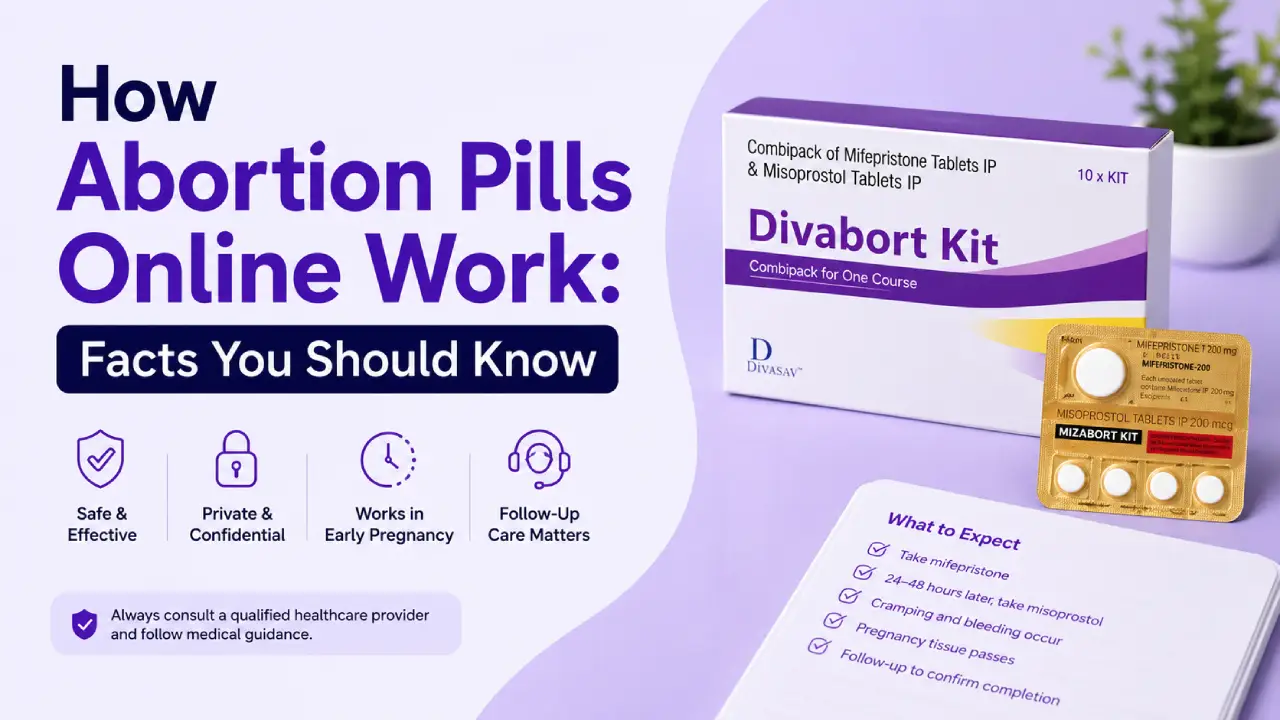
How Abortion Pills Online Work: Facts You Should Know
-
 Amanda
 - Posted on
- 0 comments

Searching for health information online often starts with a simple question and quickly turns into a long list of confusing answers. That is especially true when people look into Abortion Pills Online, where they may come across medical terms, conflicting opinions, and information that feels difficult to understand. Because reproductive health decisions are personal and often time-sensitive, many people want clear explanations rather than complicated medical language. Learning how medical abortion works, what medications are involved, and what to expect can help people better understand the process and discuss concerns with a healthcare professional.
Medical abortion is not a one-size-fits-all experience. Every person responds differently, and individual medical history can influence how the process feels physically and emotionally. Understanding the basics is a good place to begin.
What Are Abortion Pills?
Abortion pills refer to medications used during a medical abortion process. Unlike a surgical procedure, medical abortion uses medicines that work inside the body to end a pregnancy.
Two medications are commonly associated with this process:
- Mifepristone
- Misoprostol pills
Each medication serves a different purpose.
Mifepristone works by blocking the hormone progesterone, which is important for supporting pregnancy. Without that hormonal support, the pregnancy cannot continue developing normally.
Misoprostol pills are generally used afterward because they help the uterus contract and expel pregnancy tissue.
Many people confuse abortion pills with emergency contraception, but they are not the same thing. Emergency contraception is intended to help prevent pregnancy from occurring, while medical abortion is used after pregnancy has already begun.
Understanding this difference is important because the two options work in very different ways.
How Abortion Pills Work Step by Step
Medical abortion happens in stages rather than all at once. Understanding each step can make the process easier to follow.
First Medication Process
The first stage typically involves medication designed to stop the pregnancy from continuing to develop.
Hormones play an important role during pregnancy. The body relies on them to support growth and maintain conditions necessary for pregnancy progression.
When hormonal support changes, the body begins preparing for the next stage of the process.
Some people notice little or no change immediately after the first medication. Others may feel mild symptoms such as:
- Nausea
- Fatigue
- Mild cramping
- Light bleeding
Experiences vary, and a lack of symptoms does not necessarily indicate that the medication is not working.
Second Medication Process
The next step often includes medication that causes the uterus to contract.
These contractions help move tissue out of the body. For some individuals, the experience can feel similar to menstrual cramps, while others describe stronger temporary discomfort.
Common experiences during this stage may include:
- Cramping
- Bleeding
- Fatigue
- Temporary digestive symptoms
- Chills
The timing and intensity of symptoms can differ from one person to another.
What Happens in the Body
During medical abortion, the body goes through a temporary process involving physical and hormonal changes.
Possible changes include:
- Contractions in the uterus
- Bleeding
- Hormonal shifts
- Temporary discomfort
- Fatigue
The body gradually returns toward its normal hormonal state over time.
Understanding Misoprostol Pills
When discussing medical abortion, misoprostol pills are frequently mentioned because they have a specific role in the process.
Misoprostol helps create uterine contractions. These contractions assist the body in passing pregnancy tissue.
Although many people know the medication only in relation to abortion, it may also be used in other healthcare settings for different medical purposes.
Some important points include:
- Different people can have different reactions
- Symptoms can vary in strength
- Timing may differ among individuals
- Medical guidance remains important
Some individuals experience stronger cramping, while others notice lighter symptoms. Personal experiences are rarely identical.
Because online discussions often contain mixed information, understanding the actual role of misoprostol pills can help reduce confusion.
Pills and Abortion: Important Facts You Should Know
People researching pills and abortion often have practical questions. They want to know how long the process lasts, what they might experience, and what expectations are realistic.
Important facts include:
- Medical abortion experiences differ from person to person
- Temporary symptoms are common
- Emotional responses can vary
- Recovery times may differ
- Medical history matters
At some point during their research, many people searching for Abortion Pills Online simply want accurate information rather than opinions. Understanding the process can help separate facts from assumptions.
Expectations also matter. Some individuals expect symptoms immediately, while others notice changes gradually. Comparing one experience with another can sometimes create unnecessary anxiety.
Abortion With Pill Side Effects
Questions about abortion with pill side effects are common because people naturally want to know how their body might respond.
Possible side effects can include:
- Bleeding
- Cramping
- Headache
- Nausea
- Diarrhea
- Fatigue
- Chills
- Dizziness
These symptoms often happen because the body is responding to medication and temporary hormonal changes.
For many individuals, symptoms improve over time as the process moves forward.
However, certain symptoms should receive medical attention, including:
- Heavy or unusual bleeding
- Severe pain
- High fever lasting an extended period
- Fainting
- Extreme weakness
Not every person experiences the same abortion with pill side effects. Some people report mild discomfort, while others describe stronger temporary symptoms.
Understanding potential effects can help people feel more prepared.
What to Expect During Recovery
Recovery involves more than physical healing. Emotional experiences can also play a role.
Physical Recovery
Physical recovery may include:
- Reduced cramping over time
- Gradual decrease in bleeding
- Improved energy levels
- Hormonal adjustment
Some people feel physically better fairly quickly, while others need additional time.
Emotional Recovery
There is no standard emotional response.
People may experience:
- Relief
- Sadness
- Mixed feelings
- Calmness
- Stress
Emotions are personal, and experiences differ widely.
General Care Tips
Helpful practices during recovery can include:
- Drinking enough water
- Resting when needed
- Monitoring symptoms
- Following healthcare advice
- Reaching out for support if necessary
Taking care of overall well-being matters just as much as paying attention to physical symptoms.
Medical Abortion in USA – Order Abortion Pills USA
Discussions about Medical abortion in USA often involve questions about access, regulations, and healthcare options.
People searching for Order abortion pills USA are usually trying to understand availability and learn what factors may affect access.
Some considerations may include:
- Local laws and regulations
- Healthcare provider guidance
- Medical history
- Pregnancy stage
- Follow-up care options
- Reliable health information sources
Online information can be helpful, but accuracy matters. Health decisions often involve personal factors that differ from one person to another.
Understanding the broader picture helps individuals make more informed choices.
Safety Tips and Important Considerations
Keeping safety in mind is important when researching health information.
Helpful considerations include:
- Use reliable health resources
- Avoid depending entirely on social media content
- Understand that experiences vary
- Pay attention to symptoms
- Consider professional guidance when possible
- Avoid comparing your experience directly with someone else’s
- Seek support when concerns arise
Good information can make complicated topics easier to understand.
Frequently Asked Questions
1. What are abortion pills?
Abortion pills are medications used in medical abortion to end a pregnancy without surgery.
2. How do misoprostol pills work?
Misoprostol pills help the uterus contract and assist the body in passing pregnancy tissue.
3. What are common abortion with pill side effects?
Common symptoms can include cramping, bleeding, nausea, headache, fatigue, and temporary digestive discomfort.
4. How long does the process usually take?
The experience varies, and timing can differ depending on several individual factors.
5. Can pills and abortion affect future pregnancy?
Medical abortion itself generally does not prevent future pregnancy, although individual health circumstances differ.
6. What symptoms should not be ignored?
Heavy bleeding, severe pain, prolonged fever, fainting, or serious weakness should receive medical attention.
7. How long does recovery take?
Recovery varies among individuals. Some people feel normal quickly, while others need more time.
8. What should someone know before ordering online?
People should consider reliable information, healthcare guidance, legal factors, and follow-up care availability.
Conclusion
Understanding medical abortion involves more than knowing the names of medications. It also means understanding how the body responds, recognizing possible temporary symptoms, and knowing what recovery may look like. Reliable information helps reduce confusion and supports informed health discussions. For individuals researching Abortion Pills Online, having access to clear facts can make complicated information easier to understand.
Medical Disclaimer:
This article is for educational purposes only and does not replace medical advice, diagnosis, or treatment. Always consult a qualified healthcare professional regarding personal medical concerns.