
Safe Medication Care: What You Should Know About Abortion Pill Delivery Protocols
-
 Amanda
- Posted on
- 0 comments

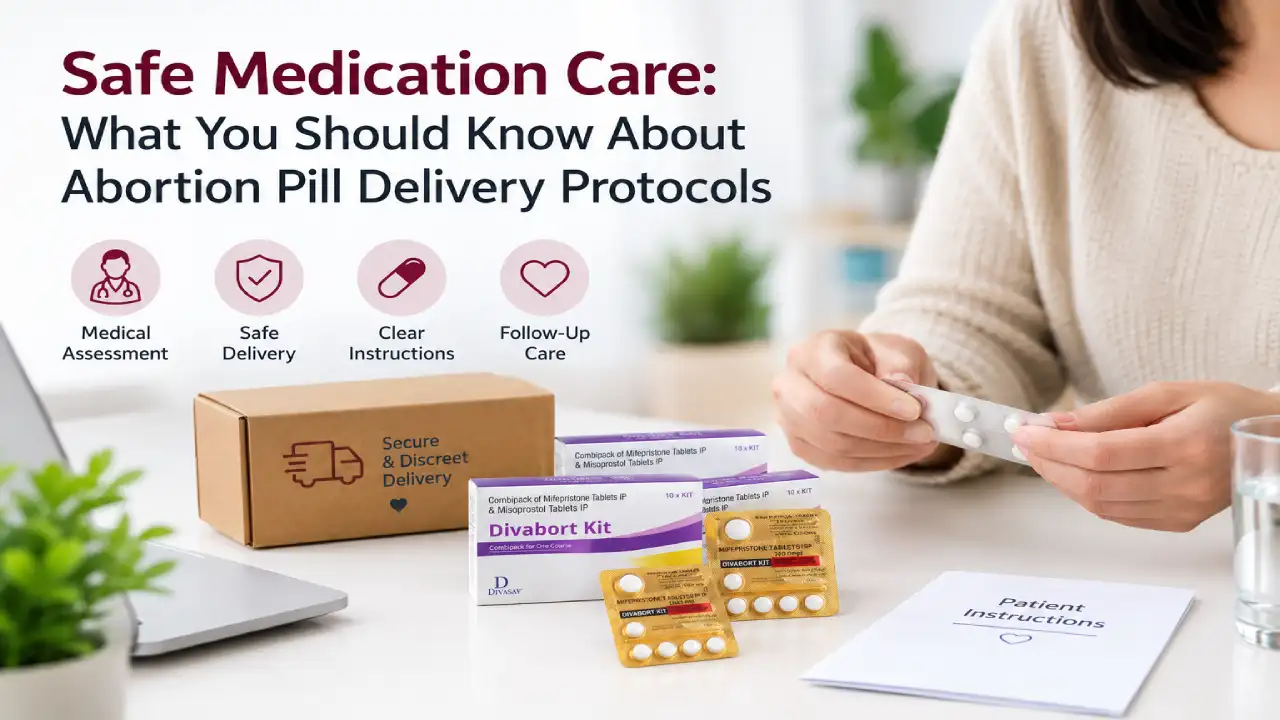
Access to reproductive healthcare should include accurate information, medical guidance, patient privacy, and reliable medication handling. For people considering a medication abortion, understanding how abortion medications are prescribed, dispensed, delivered, and used is an important part of making an informed healthcare decision.
Abortion pill delivery involves more than receiving a package. A responsible process includes an appropriate medical assessment, a legitimate prescription when required, verified medication sources, clear instructions, and access to follow-up care. Patients should understand these safeguards before choosing an online service or healthcare provider.
This guide explains essential medication safety practices, what to consider when researching Buy Misoprostol online usa services, and how to approach Medical abortion in usa with reliable healthcare information.
1. Understanding Medication Abortion
Medication abortion is a method of ending an early pregnancy using medicines under an appropriate healthcare protocol. In the United States, the FDA-approved regimen combines mifepristone and misoprostol for terminating an intrauterine pregnancy through 70 days of gestation, or 10 weeks, when used according to the approved labeling.
Mifepristone blocks progesterone, a hormone needed to maintain pregnancy. Misoprostol causes the uterus to contract and expel pregnancy tissue.
The medicines have specific indications, contraindications, and potential side effects. A qualified healthcare professional can help determine whether this treatment is appropriate based on pregnancy duration, medical history, current medications, and other relevant factors.
Medication abortion is generally safe when used appropriately, but complications can occur. Understanding the treatment process and knowing when to seek medical attention are essential parts of safe care.
2. What Are Abortion Pill Delivery Protocols?
Delivery protocols are the procedures used to ensure that prescribed medication reaches the intended patient through a legitimate and appropriately managed healthcare service.
A safe process should include the following elements.
Medical assessment
Before prescribing medication abortion, a healthcare professional should assess relevant medical information, including the estimated duration of pregnancy, possible ectopic pregnancy, allergies, bleeding disorders, and medications that could affect treatment.
An ectopic pregnancy occurs when a pregnancy develops outside the uterus. Abortion pills do not treat this condition, which can become life-threatening without appropriate medical care.
Prescription and dispensing safeguards
In the United States, mifepristone is subject to the FDA’s Risk Evaluation and Mitigation Strategy (REMS) program. It must be prescribed by a certified prescriber and dispensed by or under the supervision of a certified prescriber or by a certified pharmacy under the program’s requirements.
Patients should receive the required medication information and understand whom to contact if they experience unexpected symptoms.
Secure shipping and tracking
Reliable delivery procedures should protect the medication during transit and provide a way to track the shipment. Patients should receive clear communication about dispatch, expected arrival, and how to contact the dispensing service if a package is delayed or damaged.
Tracking alone does not establish that a medicine is authentic or that the seller is authorized. Verification of the pharmacy and prescription process remains important.
Patient instructions and follow-up
A responsible healthcare service should provide understandable instructions, explain expected effects and warning signs, and arrange an appropriate way to confirm treatment completion.
The FDA recommends follow-up assessment after treatment according to the prescribed protocol. Patients should know how to obtain further care if symptoms persist or treatment may not have worked.
3. What to Know Before Searching for “Buy Misoprostol Online USA”
Online searches can make it easier to find reproductive healthcare information, but not every website selling medication provides appropriate medical safeguards.
When searching for Buy Misoprostol online usa or buy misoprostol online usa, prioritize healthcare services that provide accurate product information, appropriate clinical guidance, and clear details about their pharmacy and prescription practices.
Before using an online service, consider these checks:
- Verify the provider: Look for a legitimate healthcare professional or service with appropriate credentials.
- Check the pharmacy: Confirm that the dispensing pharmacy is authorized to operate where required.
- Understand the prescription process: Avoid services that encourage bypassing applicable prescription requirements.
- Review medication information: Check that the medication name, strength, packaging, and patient information are clearly identified.
- Look for clinical support: Confirm that a qualified professional can answer questions and explain what to do if complications arise.
- Protect personal information: Review the service’s privacy policy and how sensitive medical information is handled.
- Be cautious about unsupported claims: Guaranteed outcomes, claims of zero risk, or pressure to purchase immediately are reasons to investigate further.
The FDA does not recommend purchasing mifepristone outside its REMS program, including from unverified online sources. Buying medication without appropriate safeguards can expose patients to products of uncertain quality and leave them without necessary medical support.
Misoprostol has legitimate medical uses, but the appropriate product, regimen, and instructions depend on the clinical circumstances. Online product descriptions should never replace professional medical advice.
4. Medical Abortion in USA: Access and Patient Safety
Access to Medical abortion in usa varies by state and may be affected by applicable laws, provider availability, and the type of healthcare service being used.
Patients should consult current, reliable sources to understand the options available to them. A qualified healthcare provider or established reproductive-health organization can explain treatment eligibility, the relevant medical process, and available follow-up services.
Telehealth may be an option in some circumstances. However, eligibility and service availability depend on applicable state requirements and the provider’s clinical assessment.
When evaluating a telehealth service, patients should look for:
- A clear explanation of the consultation and assessment process.
- An opportunity to disclose medical history and ask questions.
- Appropriate prescribing and dispensing arrangements.
- Written instructions about medication use and expected symptoms.
- A reliable contact for follow-up questions.
- Guidance on obtaining emergency care when necessary.
Patients should also understand that medication abortion is not appropriate for every medical situation. A clinician can help identify circumstances requiring additional evaluation or a different treatment approach.
5. Medication Storage and Handling
Once medication has been dispensed, following its product-specific storage instructions helps protect its quality.
Patients should:
- Keep medicines in their original packaging when possible.
- Follow the storage conditions stated on the packaging and accompanying instructions.
- Protect medication from moisture, excessive heat, and other conditions that could affect its quality.
- Keep medicines away from children and pets.
- Check packaging for damage, signs of tampering, or missing product information.
- Contact the dispensing pharmacy if the package arrives damaged or the medication appears different from what was prescribed.
Do not use medication that appears compromised until a qualified pharmacist or healthcare professional has advised you.
Do not share prescription medication with another person. A medicine that is appropriate for one patient may be unsafe or unsuitable for someone else.
6. What Symptoms Can Be Expected?
After medication abortion, cramping and vaginal bleeding are expected. Bleeding may be heavier than a typical menstrual period, and some people pass blood clots or pregnancy tissue.
Other possible effects include nausea, vomiting, diarrhea, chills, temporary fever, headache, and tiredness. The intensity and duration of symptoms vary from person to person.
Patients should follow the instructions provided by their healthcare professional and understand which symptoms are expected for their particular treatment.
Warning signs that require medical attention
Seek urgent medical assessment if you experience:
- Very heavy bleeding, such as soaking through more than two full-size sanitary pads per hour for two consecutive hours.
- Severe or persistent abdominal pain, particularly if it is worsening or concentrated on one side.
- Fainting, marked dizziness, or significant weakness.
- Fever that persists or begins more than 24 hours after misoprostol.
- Persistent abdominal discomfort or feeling seriously unwell after treatment.
- Signs of an allergic reaction, such as difficulty breathing or swelling of the face or throat.
Difficulty breathing, collapse, or severe uncontrolled bleeding requires emergency assistance.
If no bleeding occurs within 24 hours after taking misoprostol, contact the healthcare professional who provided your treatment instructions. This does not automatically establish that treatment has failed, but it warrants medical guidance.
Do not wait for a routine follow-up appointment if you develop symptoms that suggest a serious complication.
7. Why Follow-Up Care Matters
Receiving medication is only one part of the treatment process. Follow-up helps establish whether the abortion is complete and whether additional care is needed.
Depending on the clinical protocol, follow-up may involve a home pregnancy test at the recommended time, a telephone or telehealth consultation, blood tests, or an ultrasound when indicated.
Patients should not assume that the absence of severe symptoms proves treatment was successful. Likewise, a pregnancy test taken too soon may remain positive even after a completed abortion.
Follow the timing recommended by the healthcare provider. If pregnancy symptoms continue, test results are unexpected, or there is uncertainty about treatment completion, seek professional advice.
Follow-up also provides an opportunity to discuss ongoing symptoms, contraception if desired, and any further reproductive healthcare needs.
8. Protecting Privacy During Online Healthcare
Privacy is particularly important when accessing reproductive healthcare online.
Before sharing sensitive information, review the service’s privacy practices. Understand what information is collected, how it is stored, and whether it may be shared with third parties.
Patients can take practical precautions by:
- Using secure devices and accounts.
- Avoiding unnecessary disclosure of personal information.
- Checking website security before submitting sensitive details.
- Reviewing billing and communication preferences.
- Asking the provider how medical records and prescription information are protected.
A professional service should explain its privacy practices clearly rather than making vague promises of complete anonymity or absolute confidentiality.
Privacy protections and legal requirements can vary, so patients should review the terms that apply to their healthcare service.
9. Common Mistakes to Avoid
Several avoidable mistakes can undermine medication safety.
Choosing a seller based only on price: Low prices do not establish that medication is genuine, appropriately stored, or legally dispensed.
Ignoring medical screening: Pregnancy duration, possible ectopic pregnancy, medical conditions, and other medications can affect treatment suitability.
Following unverified online instructions: Medication regimens should come from reliable clinical guidance and the instructions applicable to the prescribed treatment.
Assuming delivery tracking guarantees quality: A tracking number confirms shipment progress, not the authenticity or safety of the medicine.
Skipping follow-up: Patients need to know how treatment completion will be assessed and where to obtain additional care.
Delaying emergency treatment: Severe pain, heavy bleeding, fainting, or other serious warning signs should not be ignored.
Avoiding these mistakes helps patients make more informed decisions and recognize when professional medical support is necessary.
10. Questions to Ask a Healthcare Provider
Before proceeding with medication abortion, consider asking:
- Am I medically eligible for this treatment?
- How is the duration of pregnancy assessed?
- What medicines will be prescribed, and what are their possible side effects?
- What instructions should I follow if a dose is missed or I vomit after taking medication?
- How will the medication be dispensed and delivered?
- Whom should I contact if I have questions after taking the medication?
- What symptoms require emergency treatment?
- How and when will treatment completion be confirmed?
- What costs, privacy protections, and follow-up services should I understand beforehand?
Clear answers to these questions can help patients feel better informed and more prepared throughout the process.
Conclusion
Safe medication care depends on much more than receiving a package on time. Responsible abortion pill delivery protocols include appropriate medical assessment, legitimate prescribing and dispensing, reliable shipping procedures, clear patient instructions, privacy safeguards, and access to follow-up care.
When researching Buy Misoprostol online usa or buy misoprostol online usa, patients should prioritize verified healthcare services over unsupported claims or unverified sellers. Understanding these safeguards is equally important for anyone exploring Medical abortion in usa.
The best approach is to make decisions using reliable medical information, consult a qualified healthcare professional, follow the instructions provided for the prescribed medication, and seek prompt medical attention if warning signs develop.
Medical information disclaimer: This article is for educational purposes only and is not a substitute for individualized medical advice, diagnosis, or treatment. Medication eligibility, prescribing rules, and abortion access may vary according to clinical circu